Parliamentary Economic Committee Visits SSIF and Reviews Performance, Governance Framework, and Investment Strategy
January 13, 2026
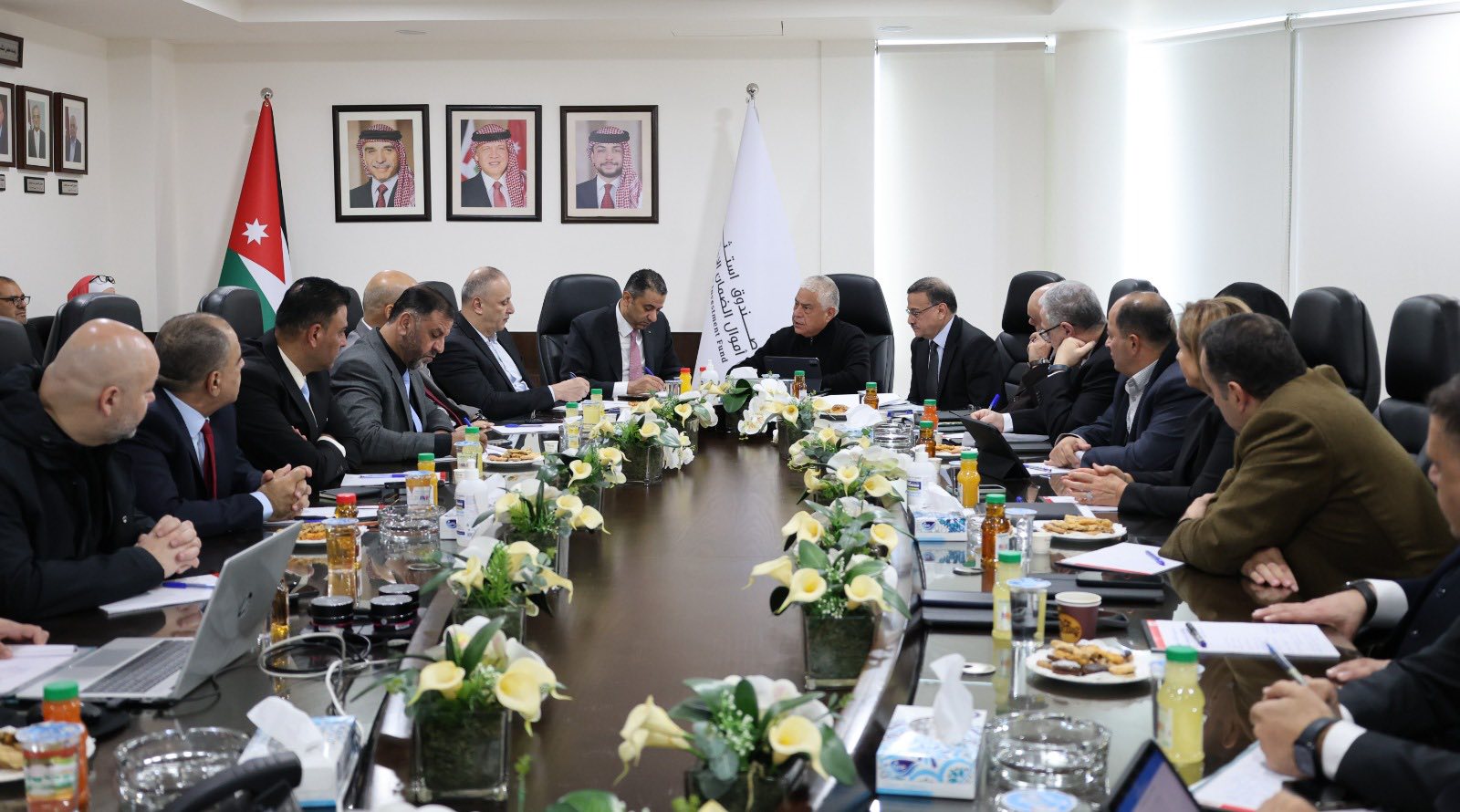
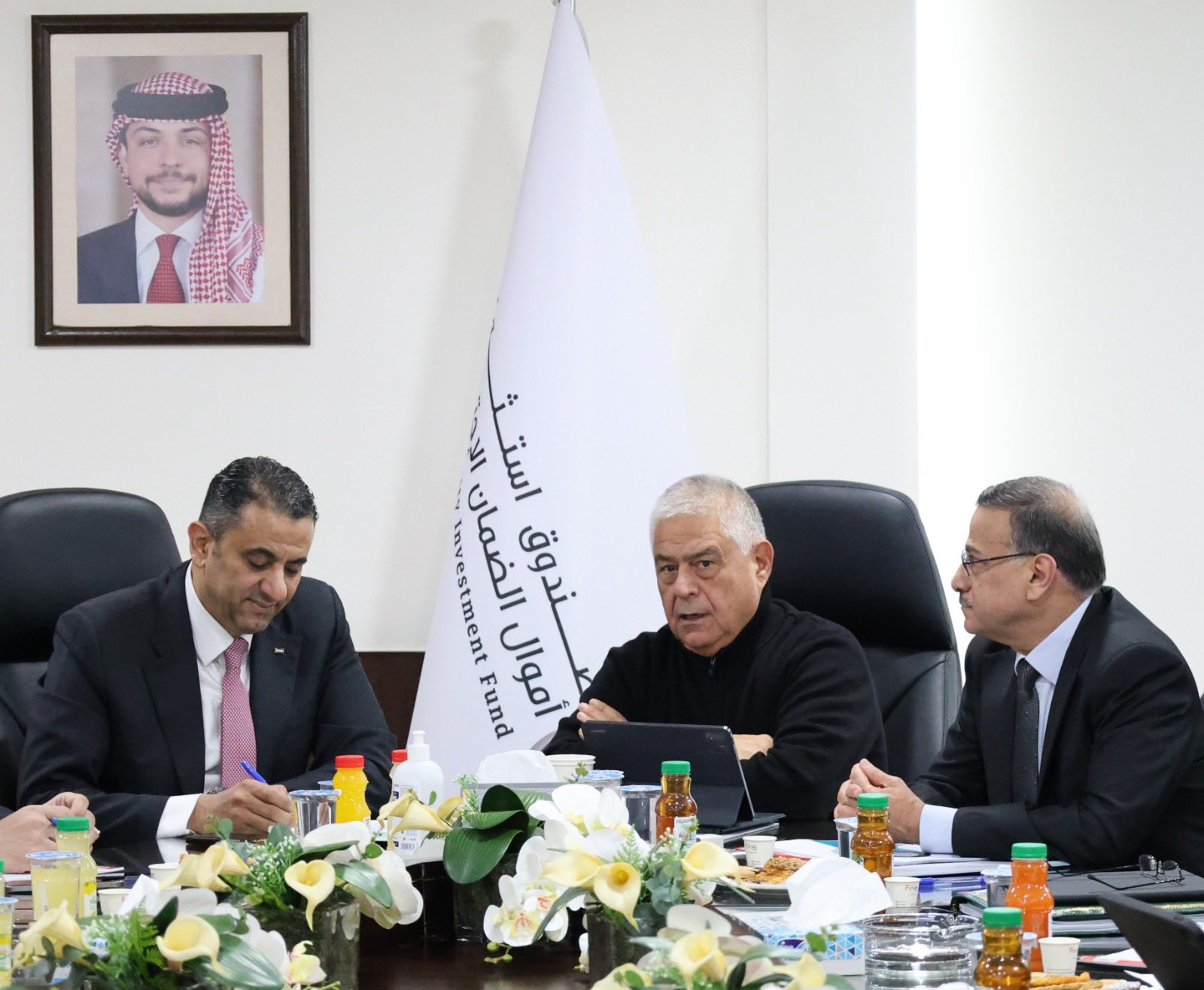
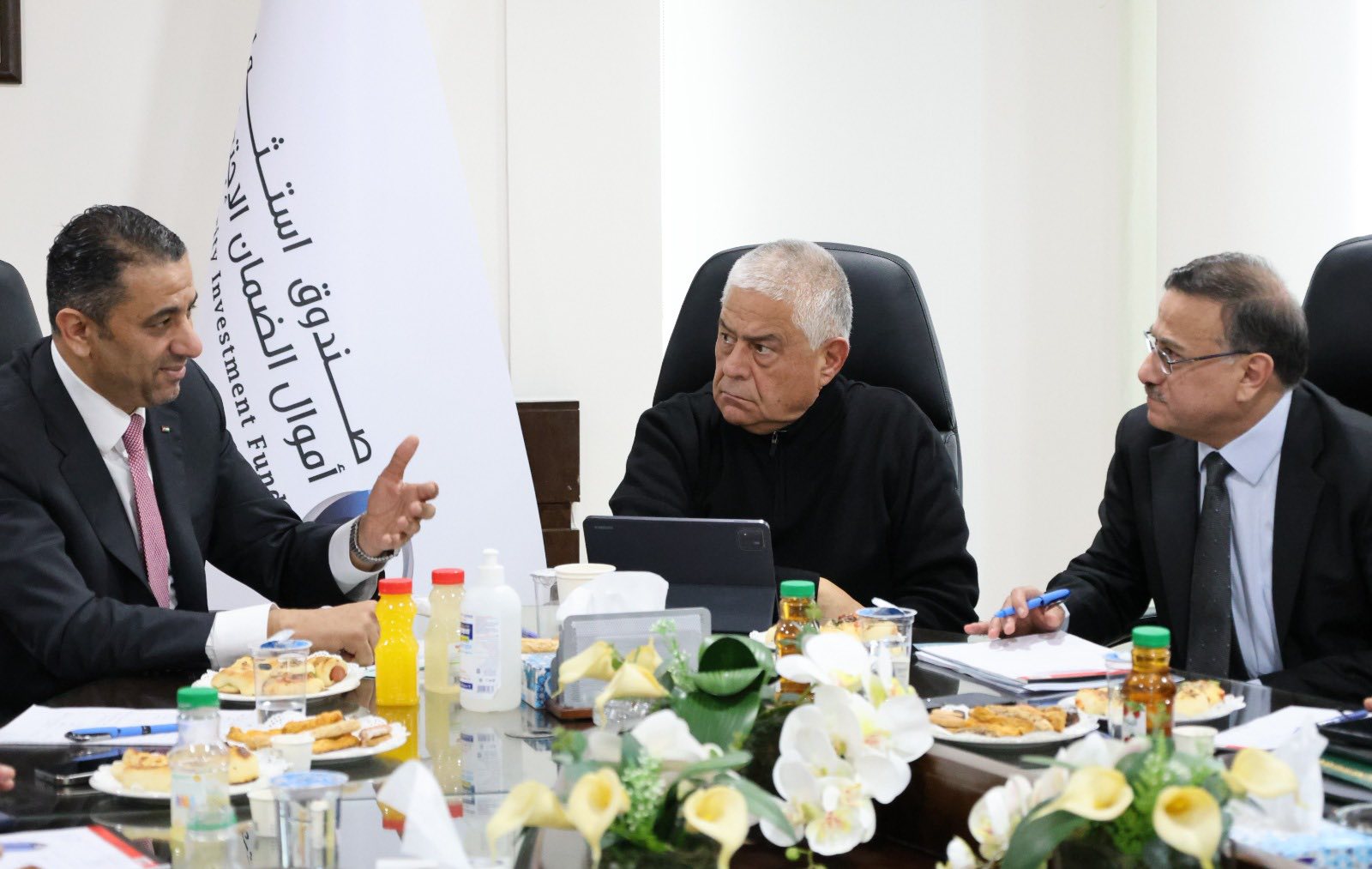
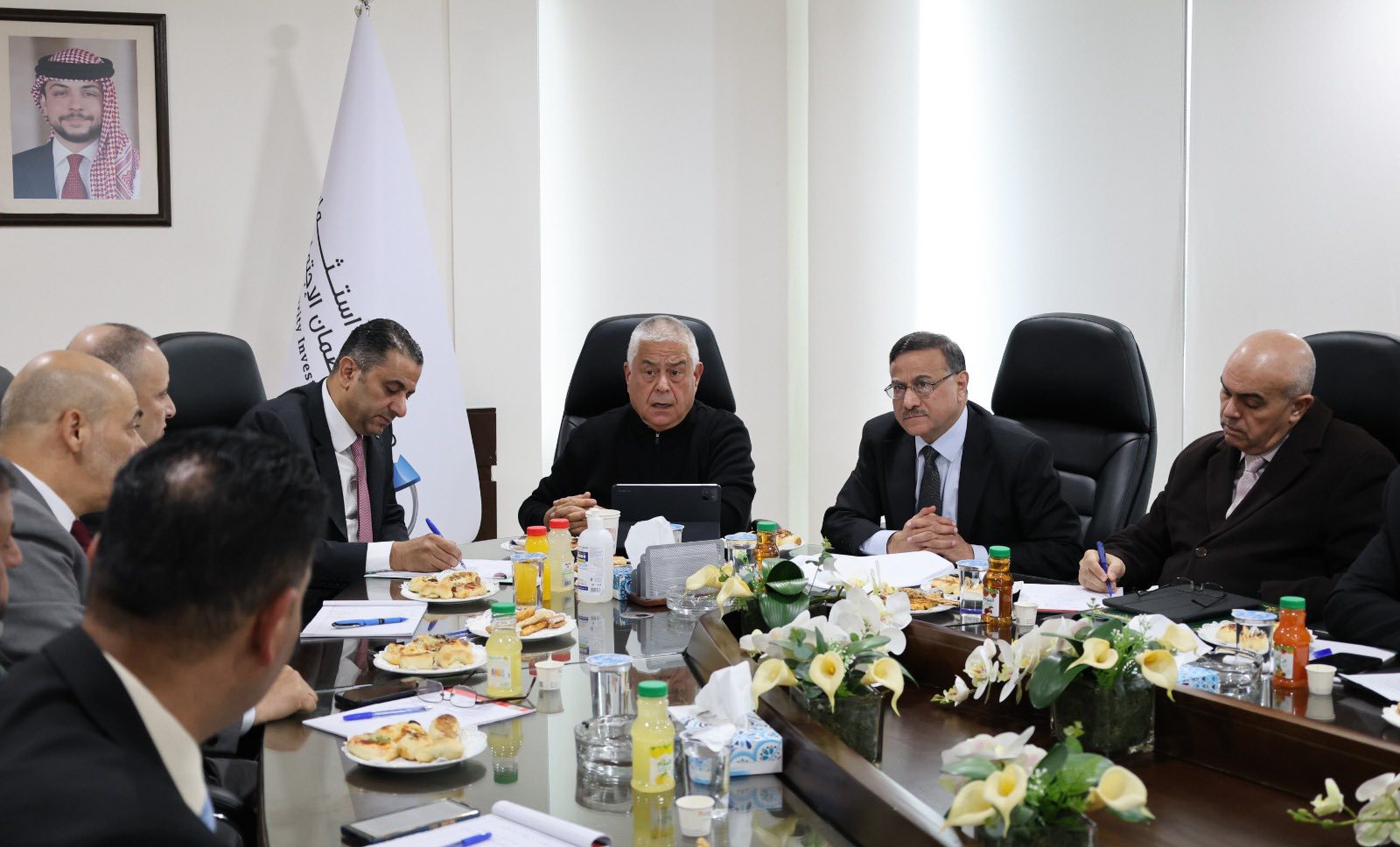
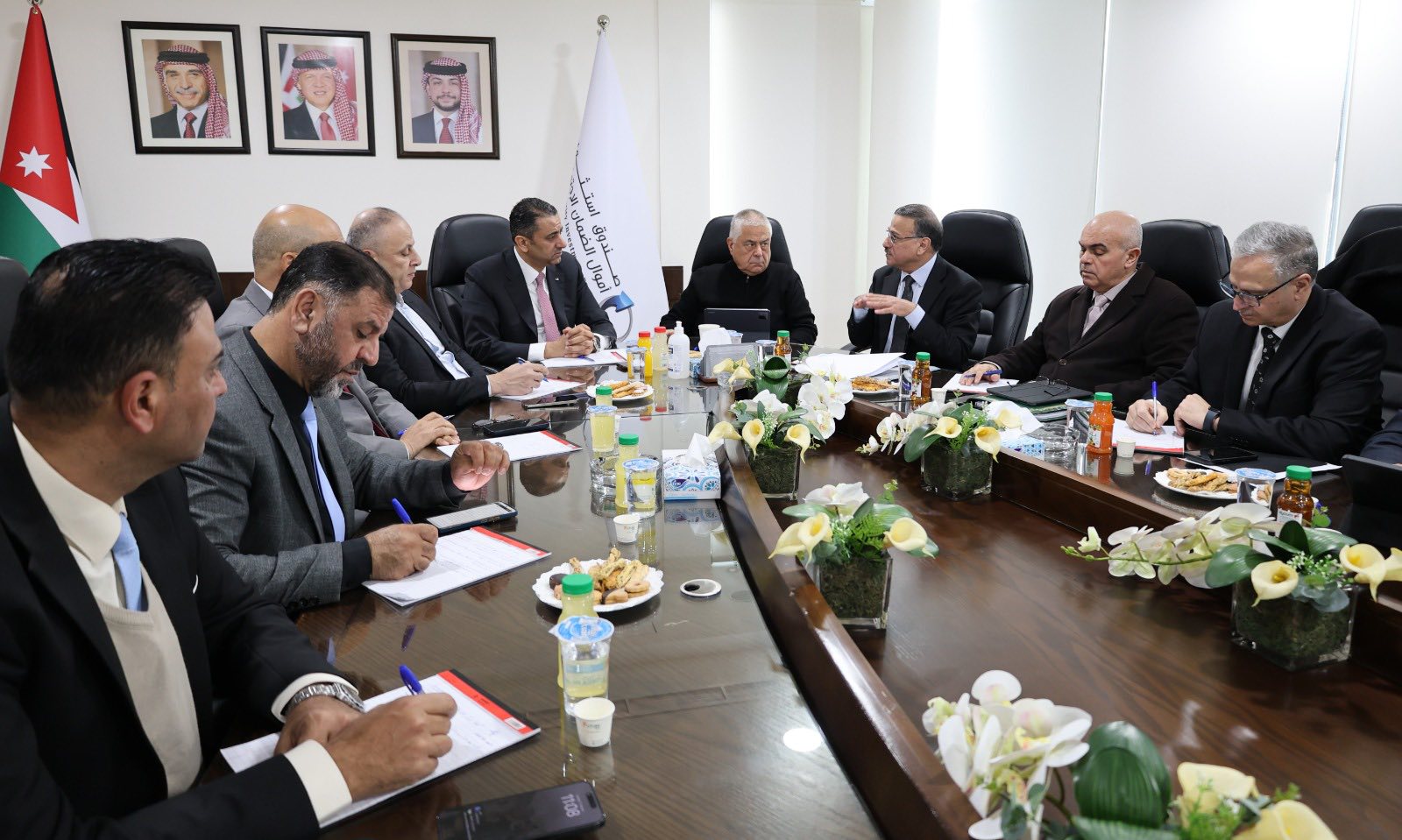
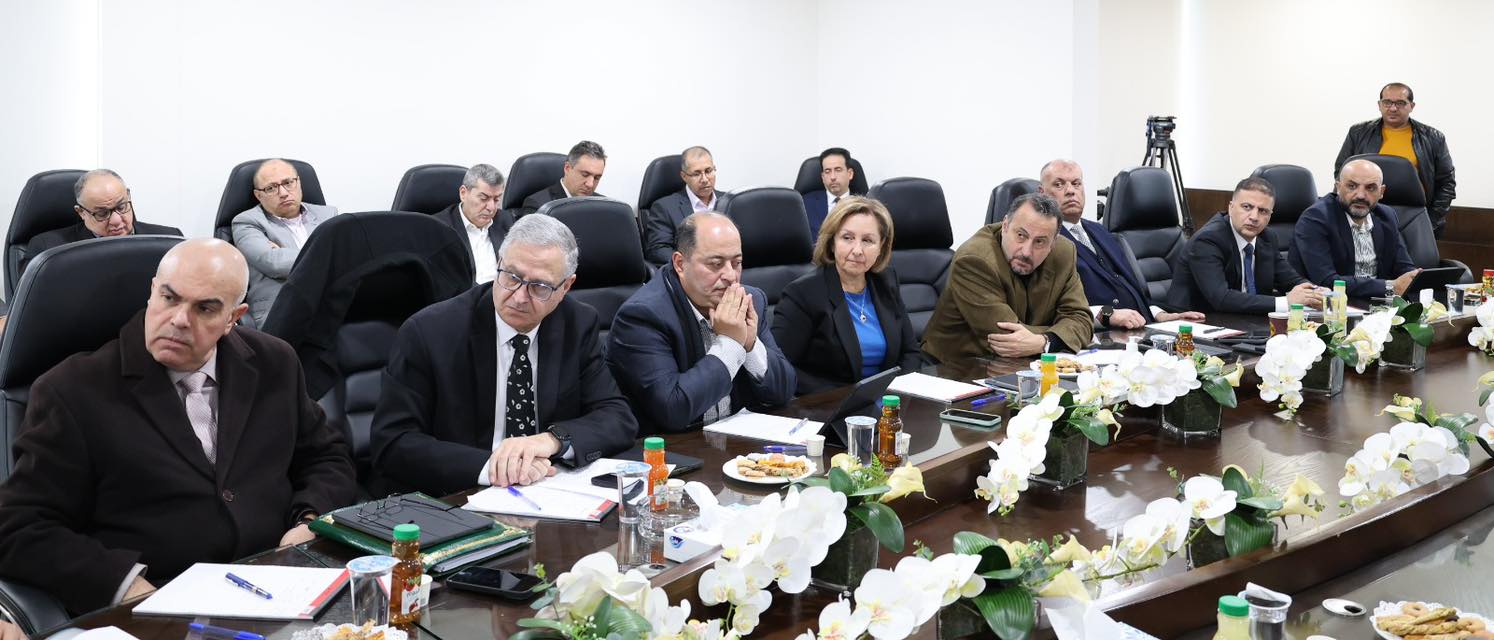
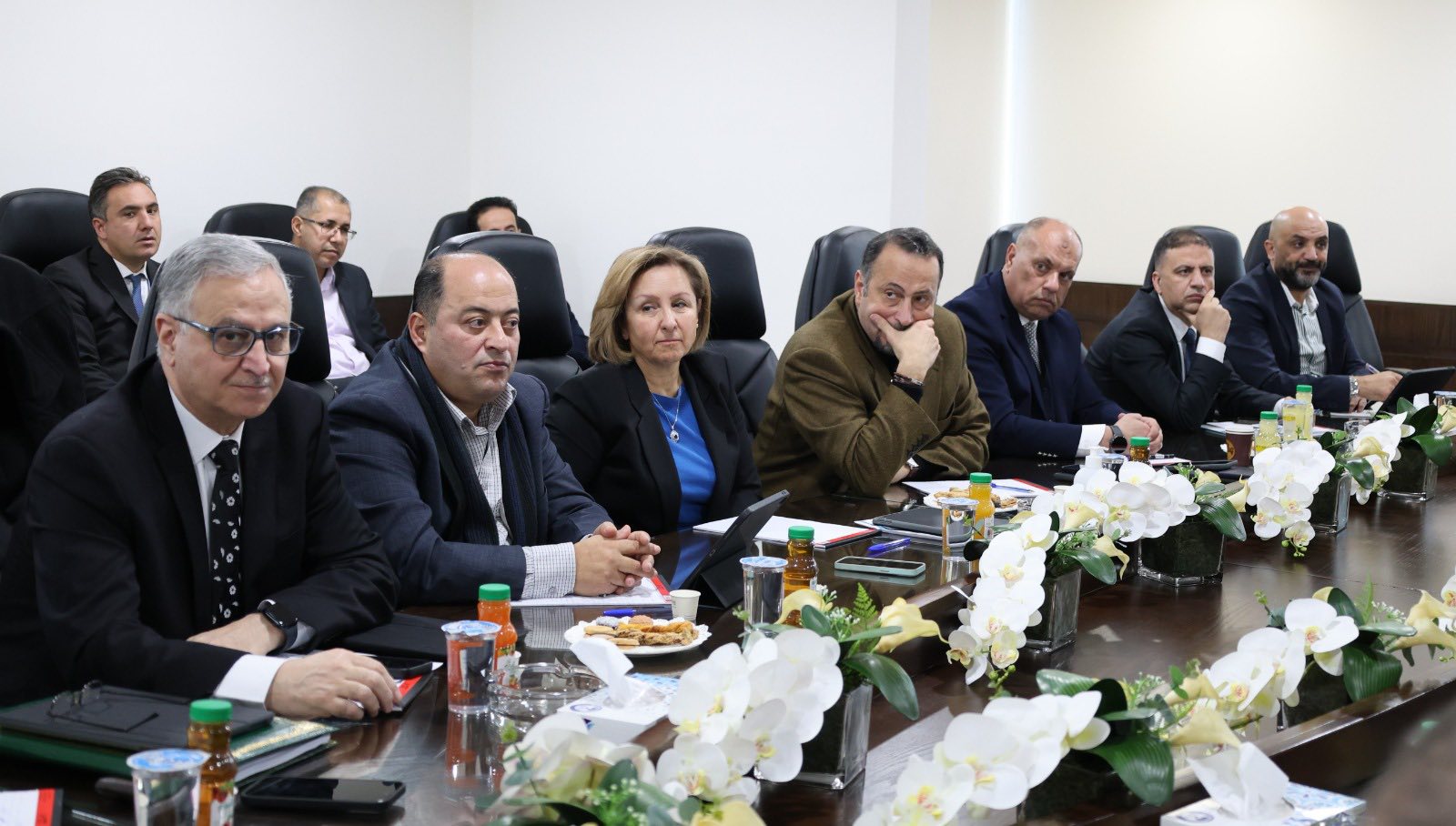
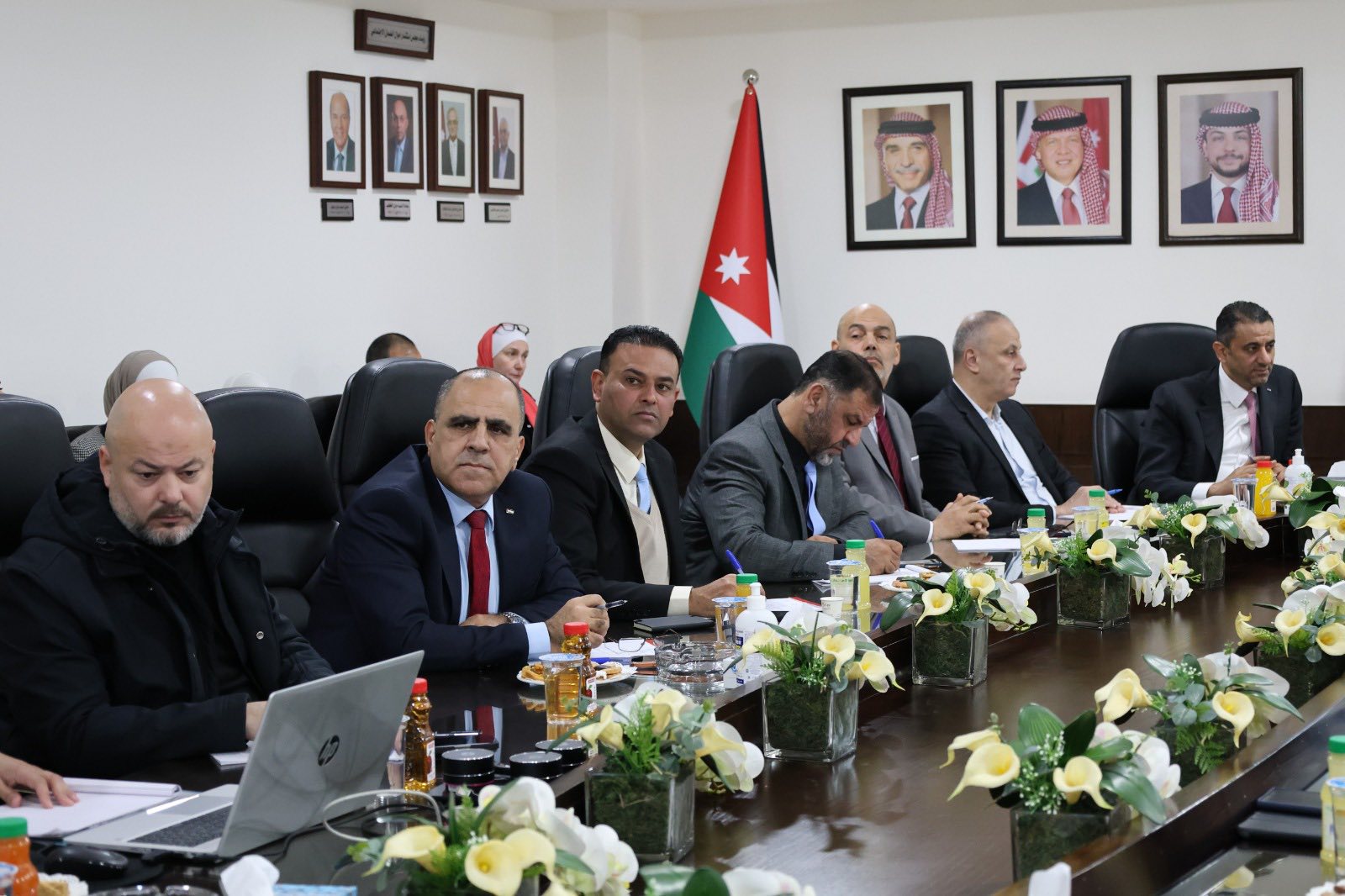
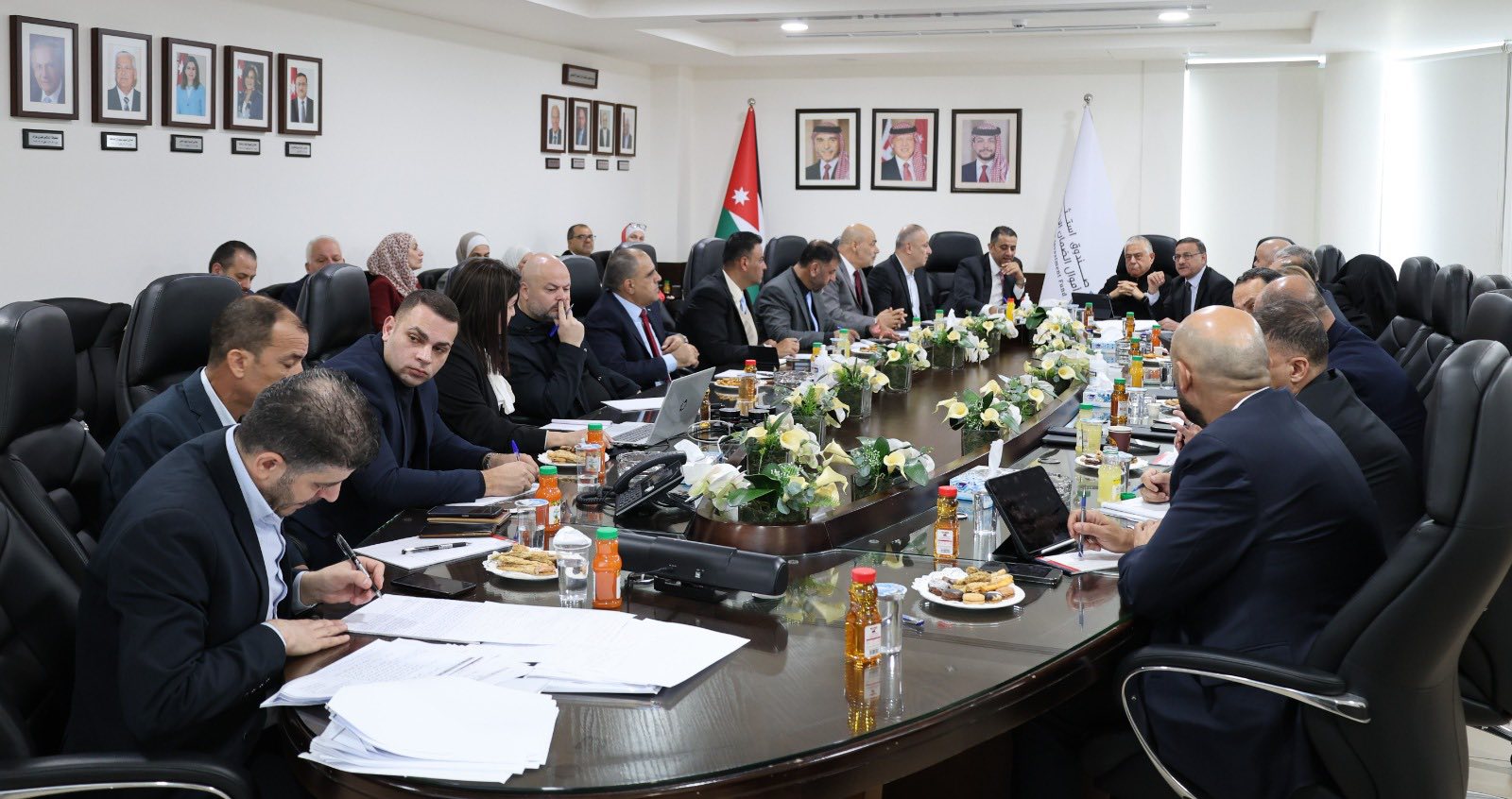
The House of Representatives’ Economic and Investment Committee, chaired by MP Khaled Abu Hassan, conducted an official visit on Sunday to the Social Security Investment Fund (SSIF), where it met with the Chairman and members of the Social Security Investment Board. The Committee received a detailed briefing on SSIF’s key preliminary results for 2025, portfolio composition, and the Fund’s evolving strategic priorities.
MP Abu Hassan stated that the visit forms part of the Committee’s oversight and legislative mandate and reflects its commitment to monitoring the performance of key national institutions. He underscored SSIF’s position as one of the Kingdom’s largest institutional investors and a cornerstone of the social security system’s long-term financial resilience, noting the Fund’s material contribution to the structure of the national economy and to strengthening productive sectors.
He added that the discussions enabled the Committee to gain an integrated understanding of SSIF’s investment approach within an institutional architecture anchored in governance, oversight, and risk management—supporting the sustainability of investment performance over the long term.
Committee members MPs Abdul Basit Al-Kabareeti, Mohammad Kattaw, Tareq Bani Hani, Salem Abu Dallah, and Waleed Al-Masri underscored the importance of expanding high-quality investments across Jordan’s governorates by leveraging their comparative advantages, deepening investments in major companies listed on Amman Stock Exchange, and strengthening transparent public communication, reinforcing confidence in the social security system through verified, accessible information.
They affirmed that the presentations and discussions reflected an advanced level of professionalism, discipline, and prudent investment management.
For his part, Omar Malhas, Chairman of the Social Security Investment Board, emphasized that SSIF represents a mature model of long-term institutional investing, built on a disciplined strategic perspective and a clear national responsibility. He noted that SSIF’s assets have expanded since its establishment in 2003 from approximately JOD 1.6 billion to around JOD 18.6 billion by the end of 2025; driven by cumulative profits from investment activity amounting to JOD 10.8 billion, in addition to JOD 6.2 billion in insurance surplus transfers from the Social Security Corporation.
Malhas explained that managing assets equivalent to around 45% of Jordan’s GDP requires investment decision-making that aligns economic cycles with the maturity profile of social security obligations, supported by a carefully structured strategic asset allocation governed by clear policies and defined risk parameters.
He further noted that SSIF continues to direct capital toward large-scale national projects of demonstrable economic feasibility, most notably the “Amra City” project, which includes acquiring land at preferential prices, up to 30% below administrative valuation, and converting these holdings into investment-ready opportunities through models such as BOT and financial leasing. He also referenced other strategic initiatives, including the National Water Carrier Project, as well as investments in the mining sector.
He stressed that SSIF’s investment decisions are taken independently within the authorities set out in the Social Security Law, guided by strategic asset allocation and acceptable risk thresholds, delivering added value to SSIF’s portfolio and supporting the national economy.
In turn, Dr. Izzedine Kanakrieh, Chief Executive Officer of SSIF, presented key preliminary indicators for SSIF’s 2025 performance, noting that SSIF’s assets grew by approximately JOD 2.4 billion during 2025. This growth was driven by an increase in comprehensive income to around JOD 2.2 billion, compared to JOD 1.0 billion at end-2024, representing a growth rate of 116.5%, in addition to an insurance surplus transfer from the Social Security Corporation of JOD 200 million.
He explained that the rise in comprehensive income was primarily underpinned by net returns from investment portfolios of approximately JOD 1.1 billion, alongside a net increase in the valuation of SSIF’s strategic equity portfolio of approximately JOD 1.1 billion.
Kanakrieh emphasized that SSIF’s assets are diversified across most sectors of the Jordanian economy and extend across all governorates, strengthening sectoral and geographic diversification, supporting economic activity, and contributing to sustainable growth opportunities.
He added that SSIF is currently updating its investment strategy and reviewing its asset allocation to further strengthen the tilt toward investments with direct economic impact, while ensuring sustainable returns and safeguarding SSIF’s long-term capacity to meet future social security obligations.
Members of the Social Security Investment Board reaffirmed that SSIF operates in line with best practices through an approach defined by discipline, governance, and transparency. They emphasized the importance of strengthening SSIF’s investment presence across the Kingdom through well-calibrated investments that generate genuine added value to the portfolio and align with national priorities.
They further stressed the importance of structured public engagement to communicate SSIF’s performance and achievements, reinforcing confidence through accurate, reliable information derived from primary sources, and away from fleeting impressions or speculative interpretations.